Common Causes of Settling in Commercial Concrete Slabs
People seeking concrete slab mudjacking often want to lift and level settled slabs caused by soil shifting or erosion, and local contractors can provide effective solutions.
Understanding the common causes of settling in commercial concrete slabs is essential for property owners seeking to maintain the safety and functionality of their outdoor spaces. Settling can lead to uneven surfaces, cracked concrete, and potential trip hazards, which may impact daily operations and property value. Local contractors specializing in concrete slab mudjacking are familiar with these issues and can assess the underlying reasons for settling, helping property owners make informed decisions about repairs or preventative measures.
Several practical factors contribute to the settling of commercial concrete slabs, including soil compaction issues, water drainage problems, and changes in the ground beneath the slab over time. These causes are often interconnected and can be influenced by local soil conditions and weather patterns. Recognizing these common causes can help property owners determine when professional intervention is needed. Service providers experienced in mudjacking can stabilize and lift uneven slabs, restoring safety and appearance without the need for full replacement, making it a valuable solution for addressing settling issues effectively.
- Concrete slab mudjacking services are often needed when settling causes uneven or cracked commercial floors, and local contractors use specialized lifting techniques to restore stability.
- When soil erosion or poor initial compaction lead to foundation shifts, service providers can stabilize slabs through effective mudjacking methods.
- In cases where underground voids develop beneath concrete slabs due to water drainage issues, local pros can fill these voids to prevent further settling.
- Settling caused by tree roots or shifting soil conditions can be addressed by experienced contractors who lift and level affected slabs with precise mudjacking procedures.
- For commercial properties experiencing uneven surfaces from soil compression or movement, local service providers can perform mudjacking to restore proper alignment and support.
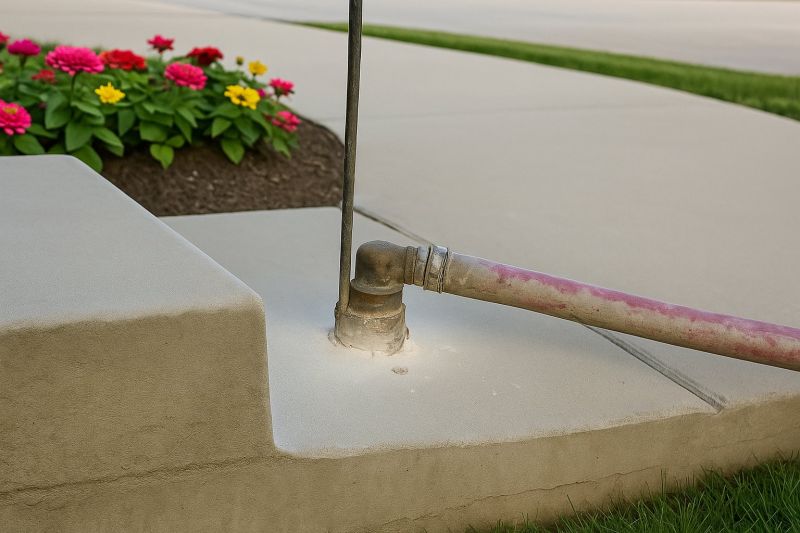
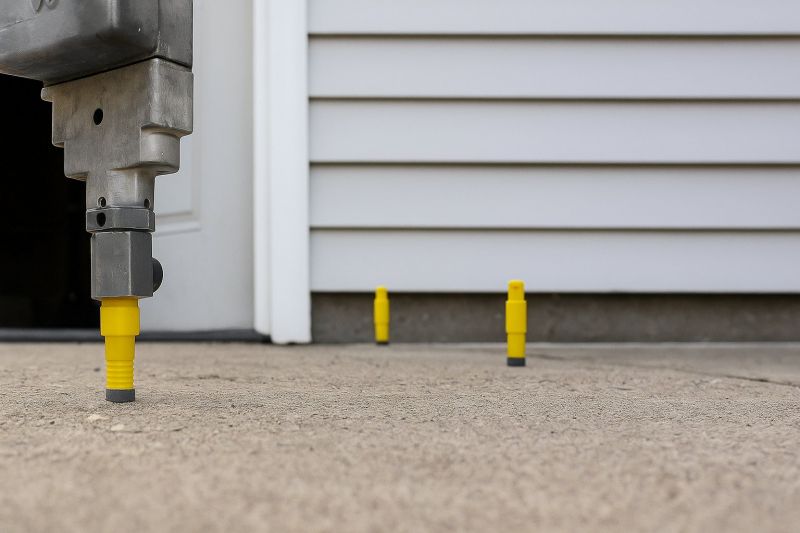
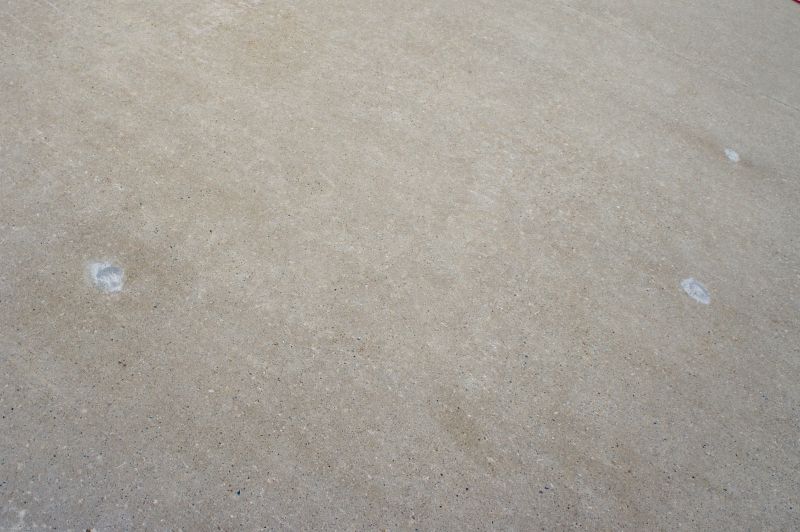
Understanding the common causes of settling in commercial concrete slabs is essential for property owners and managers who notice uneven or sunken areas in their outdoor surfaces. When searching for information on this topic, many are looking to identify why their concrete has shifted or sunk over time, especially in high-traffic or heavily loaded areas. Settling can lead to safety hazards, water pooling, and increased maintenance costs, making it a priority to address. This topic often relates to plans for repair or reinforcement, as well as preventative measures to avoid future issues. Recognizing the underlying causes helps property owners make informed decisions about repairs and whether mudjacking or other stabilization methods are appropriate.
Commercial properties with concrete slabs frequently include parking lots, walkways, loading docks, and outdoor patios. These areas are exposed to constant stress from vehicles, foot traffic, and environmental factors, which can accelerate the settling process. When searching for causes of settling, property owners often want to understand how soil conditions, construction practices, or environmental influences contribute to the problem. The types of properties affected tend to be larger-scale facilities where even minor shifts can have significant safety and operational impacts. Local contractors specializing in concrete stabilization services are often called upon to evaluate these properties and recommend solutions tailored to the specific causes of settling.
The common causes of settling in commercial concrete slabs often stem from issues related to soil stability and preparation. Poor soil compaction during construction can leave the ground underneath vulnerable to shifting or sinking over time. Expansive soils that swell and shrink with moisture changes can exert pressure on the slab, causing it to move. Additionally, water infiltration from poor drainage or leaks can erode the soil beneath the concrete, leading to voids and uneven settling. Recognizing these causes helps property owners understand why their slabs are not only uneven but also prone to further damage if left unaddressed. Local service providers experienced in slab stabilization can assess the site, identify the root causes, and implement appropriate repairs.
Addressing the common causes of settling in commercial concrete slabs often involves targeted repair techniques like mudjacking, which lifts and stabilizes sunken areas. These services are designed to fill voids beneath the slab, restore its level position, and prevent further movement. Since many settling issues originate from soil instability or water-related problems, local contractors may also recommend improvements to drainage or soil stabilization measures. For property owners, understanding the causes of settling helps in planning effective repairs and in choosing the right service providers for the job. Properly addressing the root issues ensures the longevity and safety of the concrete surfaces, reducing the risk of future settling and costly repairs.
Foundation Repair Projects - Skills used in foundation repair, such as soil analysis and stabilization, are similar to those needed for addressing settling in concrete slabs.
Pavement Lifting and Leveling - Techniques for lifting and leveling asphalt or concrete pavements share common planning and equipment with slab mudjacking services.
Driveway Resurfacing - Resurfacing and leveling driveways involves understanding soil conditions and the application of slurry injections similar to mudjacking.
Sidewalk and Walkway Replacement - Repairing uneven or cracked walkways requires expertise in soil settling and concrete stabilization methods.
Structural Reinforcement Projects - Projects that involve strengthening existing concrete structures often require knowledge of soil movement and load distribution.
Indoor Slab Repair - Addressing uneven indoor concrete floors involves skills in soil assessment and slab leveling techniques used in mudjacking.
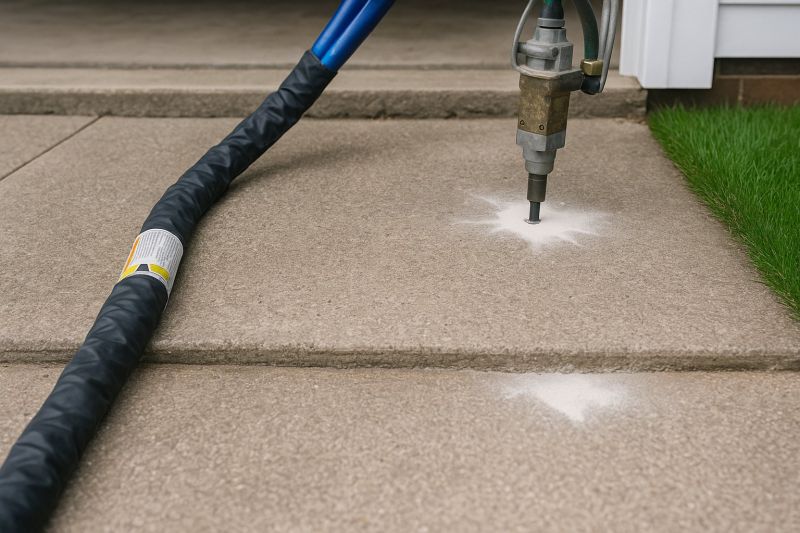
When comparing service providers for concrete slab mudjacking, it is important to consider their experience with similar types of projects. Contractors who have worked extensively with commercial concrete slabs and are familiar with common causes of settling can better diagnose underlying issues and recommend effective solutions. Asking about their previous work in comparable settings helps ensure they understand the specific challenges that come with commercial properties, such as heavier loads or underlying soil conditions, leading to more reliable and durable repairs.
Clear communication of expectations is essential when selecting a contractor. A reputable service provider should be able to explain the mudjacking process, what the work entails, and any potential limitations or considerations. This transparency helps establish a realistic understanding of the project scope and outcomes, reducing misunderstandings or surprises later on. Homeowners should look for contractors who articulate their approach clearly, answer questions thoroughly, and provide written details about the work plan and materials involved.
Reputable references and good communication are key indicators of a trustworthy contractor. Gathering feedback from previous clients or reviewing references can provide insight into the contractor’s professionalism, reliability, and quality of work. Additionally, consistent and open communication during the planning and execution phases ensures that homeowners stay informed and can address any concerns promptly. Choosing a service provider who values clear dialogue and has a track record of satisfied clients can contribute to a smoother experience when addressing common causes of settling in commercial concrete slabs through mudjacking solutions.
Property owners often search for common causes of settling in commercial concrete slabs when they are planning practical projects around their homes and businesses. Local pros provide Concrete Slab Mudjacking services for everyday jobs and straightforward project options.
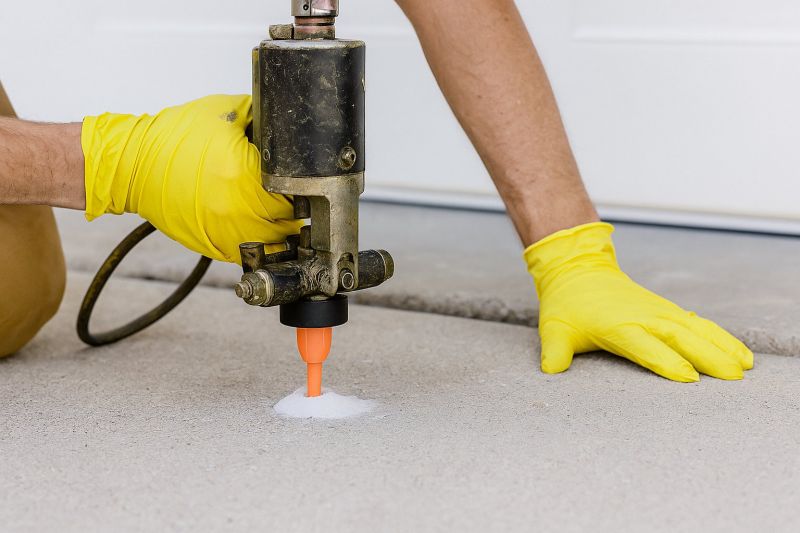
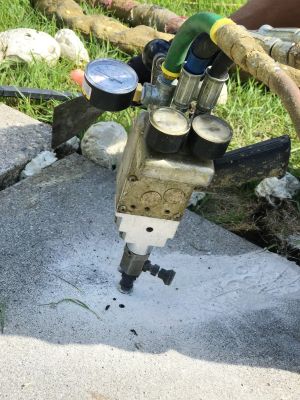
Understanding the common causes of settling in commercial concrete slabs can help property owners identify potential issues early on. In many cases, uneven soil conditions beneath the slab, such as erosion or compaction issues, lead to shifting and sinking over time. Additionally, improper or insufficient foundation preparation before pouring the concrete can result in weak spots that are prone to settling. Heavy loads or frequent traffic on the slab can also contribute to gradual movement, especially if the underlying soil is not adequately stabilized. These everyday project situations highlight the importance of consulting local contractors who specialize in addressing such settling problems.
When settling occurs, property owners often look into solutions like concrete slab mudjacking to restore stability. Local service providers can assess the specific causes of the settling and recommend appropriate repair methods. Mudjacking involves lifting and leveling the slab by injecting a supportive mixture beneath it, which can be an effective way to address unevenness caused by soil shifts or foundation issues. Connecting with experienced local contractors ensures that the right approach is taken to stabilize the concrete and prevent further problems, making it a practical step for maintaining the safety and functionality of commercial properties.
What are common causes of settling in commercial concrete slabs? Settling often occurs due to inadequate soil preparation, poor compaction, or unstable ground beneath the slab. Local contractors can assess these issues and recommend appropriate solutions like mudjacking to restore stability.
How does soil type contribute to concrete slab settling? Certain soil types, such as clay or loose fill, are prone to shifting and shrinking over time, leading to uneven settling. Experienced service providers can identify soil-related issues and perform repairs to prevent further movement.
Can moisture levels cause settling in concrete slabs? Yes, excessive or uneven moisture can weaken the soil supporting the slab, causing it to settle unevenly. Local pros can evaluate moisture conditions and address them as part of a mudjacking or stabilization process.
Is poor drainage a factor in concrete slab settling? Poor drainage can lead to water accumulation around the slab, eroding supporting soil and causing settlement. Service providers can implement drainage improvements and stabilize the slab to mitigate these effects.
How do improper construction practices lead to settling issues? Using unsuitable fill materials or failing to compact soil properly during installation can result in uneven settling over time. Local contractors can perform mudjacking to correct these issues and reinforce the slab’s foundation.
Soil instability - Recognizing areas with poor or shifting soil can help property owners plan for mudjacking by local contractors to stabilize slabs effectively.
Poor drainage - Addressing drainage issues around the property can prevent water from weakening the soil underneath concrete slabs, reducing settling risks.
Inadequate base preparation - Ensuring proper subgrade compaction before pouring concrete can minimize future settling, with local service providers offering expert assessments.
Frost heave - Understanding how freeze-thaw cycles affect soil can guide property owners in seeking mudjacking services to correct uneven slabs caused by frost-related movement.
If you are thinking about common causes of settling in commercial concrete slabs for a property, this guide is meant to help you understand this topic, the typical project types, and how different options might fit your plans.
When you are ready, you can use the quote form on this page to share a few details about your project. From there, local pros can review the basics and follow up with options that match what you have in mind.